AI in Education: Adaptive Learning & Personalized Paths
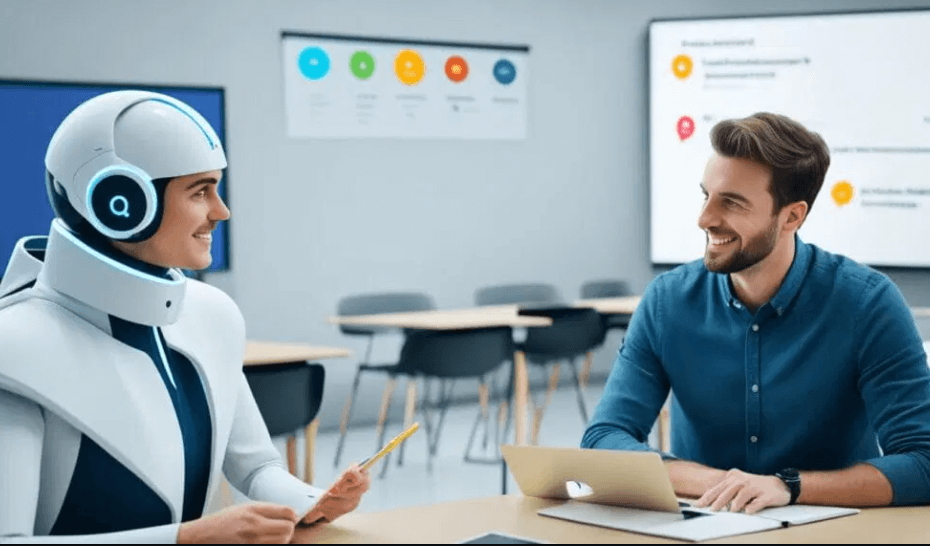
AI is reshaping the educational landscape by facilitating adaptive learning. It analyzes student data to identify unique learning styles and preferences, allowing for the creation of personalized learning pathways. This approach not only enhances engagement but also addresses individual needs, promising a more inclusive environment. However, the integration of AI in education raises critical questions about privacy and equity. What implications will these challenges have on the future of personalized education?
The Role of AI in Identifying Learning Styles
How can artificial intelligence enhance the understanding of individual learning styles in educational settings?
By analyzing data from cognitive assessments, AI can identify distinct learning preferences among students. This innovative approach enables educators to tailor instructional methods, fostering a deeper comprehension of diverse learning needs.
Ultimately, AI’s role in recognizing these styles promotes a more inclusive and adaptive learning environment, empowering students to thrive.
See also: AI in Crisis Response & Disaster Management
Personalized Learning Pathways and Their Benefits
While traditional educational models often adopt a one-size-fits-all approach, personalized learning pathways offer a transformative solution by catering to the unique needs of each student.
By implementing customized curricula, educators can enhance learner engagement and foster a deeper connection to the material.
This tailored approach empowers students, allowing them to pursue knowledge in ways that resonate with their individual learning styles and interests.
Challenges and Future Prospects of AI in Education
As educational institutions increasingly integrate artificial intelligence into their curricula, they must navigate a range of challenges that could hinder its effective implementation.
Key concerns include data privacy, as sensitive student information may be compromised, and equity access, where disparities in technology availability can create unequal learning opportunities.
Addressing these issues is crucial for AI’s future in education, ensuring inclusivity and safeguarding personal information.
Conclusion
In the realm of education, AI stands as both a beacon of personalized learning and a harbinger of potential challenges. While it crafts tailored pathways that cater to diverse learning styles, it also raises concerns about equity and privacy. This juxtaposition underscores the need for a balanced approach, where innovation harmonizes with ethical considerations. As AI continues to shape the educational landscape, its success will hinge on navigating these complexities, ensuring that every student benefits from its transformative power.