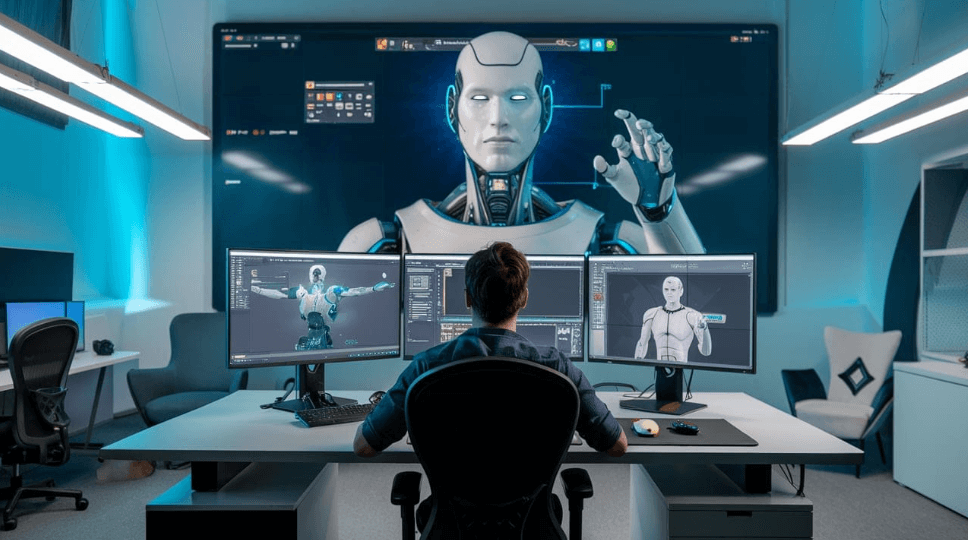
AI in Gaming: Smarter NPCs & Procedural Worlds
The integration of AI in gaming has marked a significant shift in how players engage with virtual worlds. Smarter NPCs are no longer mere background characters; they now exhibit complex behaviors and emotional depth. Meanwhile, procedural generation crafts ever-changing landscapes that respond to player choices. This evolution raises questions about the future of storytelling in games and the potential for player agency. What new narratives might emerge from this blend of technology and creativity?
The Evolution of NPC Intelligence
As technology has advanced, the evolution of NPC (non-playable character) intelligence has transformed the gaming landscape, enabling richer interactions and more immersive experiences.
Modern NPCs exhibit adaptive behavior, responding dynamically to player actions, while their emotional responses create a more believable environment.
This leap in complexity not only enhances storytelling but also empowers players, fostering a sense of freedom within virtual realms.
See also: AI in Fashion & Retail: Virtual Try-Ons & Personalization
Procedural Generation: Crafting Dynamic Game Worlds
The advancements in NPC intelligence have paved the way for another groundbreaking aspect of game design: procedural generation.
This technique crafts dynamic environments that evolve with player interaction, offering pathways for endless exploration. By generating unique landscapes and challenges, developers empower gamers to experience a world that feels alive, unpredictable, and infinitely engaging, enhancing the freedom to forge their own adventures.
Future Trends in AI-Driven Gaming
While gaming has already embraced AI in numerous ways, the future promises even more transformative trends that will redefine player experiences.
AI advancements will enable hyper-realistic interactions, deepening player immersion through personalized narratives and adaptive environments.
As machine learning evolves, games will dynamically respond to player choices, fostering a unique journey for each gamer.
Ultimately, this will liberate creativity and enhance emotional engagement within virtual worlds.
Conclusion
As gamers navigate these intricately woven narratives, the blend of intelligent NPCs and procedurally generated worlds heralds a new age reminiscent of a digital Renaissance. The possibilities seem endless, inviting players to become the authors of their own epic tales. With each leap forward in AI, the gaming landscape transforms—much like the invention of the printing press did for literature—opening doors to immersive experiences that promise to redefine storytelling in ways previously confined to the realm of dreams.